Rotator Cuff Syndrome
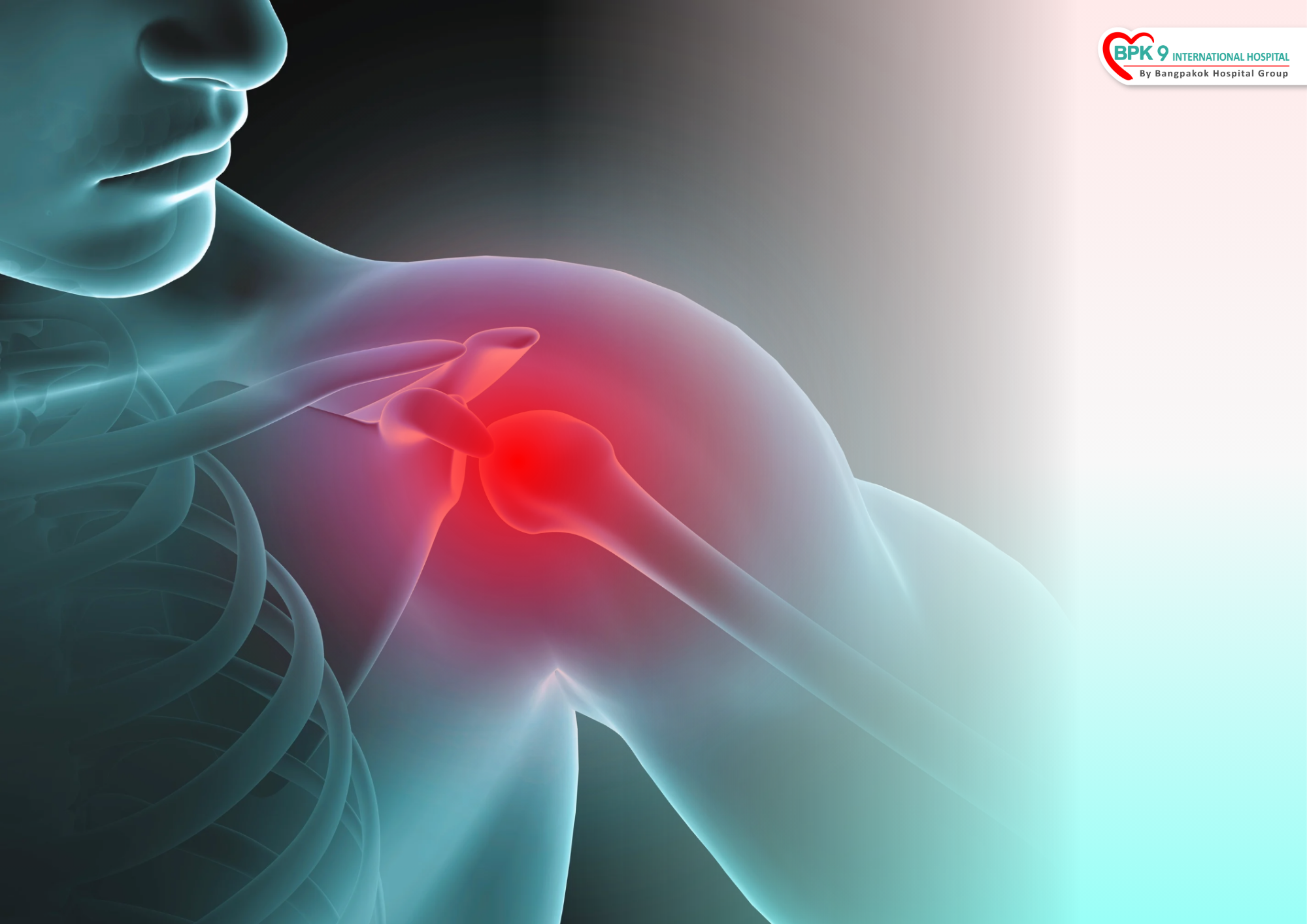
Advanced Shoulder Care at BPK9 International Hospital
What is Rotator Cuff Syndrome?
Rotator Cuff Syndrome refers to a spectrum of conditions affecting the tendons and muscles that stabilize the shoulder joint. The rotator cuff consists of four essential muscles: supraspinatus, infraspinatus, teres minor, and subscapularis, which work together to provide shoulder strength, stability, and smooth movement.
When these tendons become irritated, inflamed, or torn, patients may experience pain, weakness, and limited mobility. Without proper treatment, the condition can progress and significantly impact daily activities and quality of life.
Causes & Risk Factors
Rotator Cuff Syndrome may develop due to:
- Repetitive overhead movements (sports, manual labor)
- Prolonged desk work and poor posture
- Age-related tendon degeneration
- Acute injury or trauma
- Shoulder impingement
- Previous shoulder instability
Athletes, office workers, construction workers, and individuals over 40 years of age are at increased risk.
Signs & Symptoms
Patients commonly report:
- Dull or aching shoulder pain
- Pain that worsens at night
- Difficulty lifting or reaching overhead
- Weakness in the affected arm
- Reduced range of motion
- Clicking or popping sounds
If symptoms persist beyond a few days or worsen over time, medical evaluation is recommended.
Diagnosis
At BPK9 International Hospital, our orthopedic specialists conduct a thorough assessment that includes:
- Detailed physical examination
- Functional movement analysis
- Digital X-ray imaging
- High-resolution Ultrasound
- MRI scanning (when tendon tear is suspected)
Accurate diagnosis is essential to determine the severity of tendon involvement and to design the most effective treatment plan.
Treatment Options
Treatment depends on the severity of the condition.
1 Non-Surgical Management
Most mild to moderate cases can be treated conservatively with:
- Anti-inflammatory medications
- Targeted physiotherapy programs
- Activity modification
- Regenerative injection therapies (when appropriate)
- Shoulder strengthening and mobility exercises
2 Minimally Invasive Arthroscopic Surgery
For significant tendon tears or cases that do not respond to conservative treatment, arthroscopic surgery may be recommended. This minimally invasive procedure allows precise tendon repair with:
- Smaller incisions
- Less post-operative pain
- Faster recovery time
- Reduced scarring
Rehabilitation & Recovery
Post-treatment rehabilitation is crucial for restoring full shoulder function. Our multidisciplinary rehabilitation team develops personalized recovery programs focused on:
- Gradual strengthening
- Range-of-motion restoration
- Postural correction
- Return-to-work or sports conditioning
Most patients experience significant improvement with timely intervention and guided rehabilitation.
Why Choose BPK9 International Hospital?
- Experienced Orthopedic Specialists
- Advanced Diagnostic Technology
- Comprehensive Shoulder & Sports Injury Care
- Multidisciplinary Rehabilitation Team
- International Standard Medical Services
Our commitment is to restore movement, reduce pain, and help patients return confidently to their daily activities.
When to See a Specialist
Seek medical attention if:
- Shoulder pain persists for more than one week
- Pain interferes with sleep
- You experience arm weakness
- You cannot lift your arm normally
Early diagnosis leads to better outcomes and prevents long-term complications.
Heart of Care Essential Care
